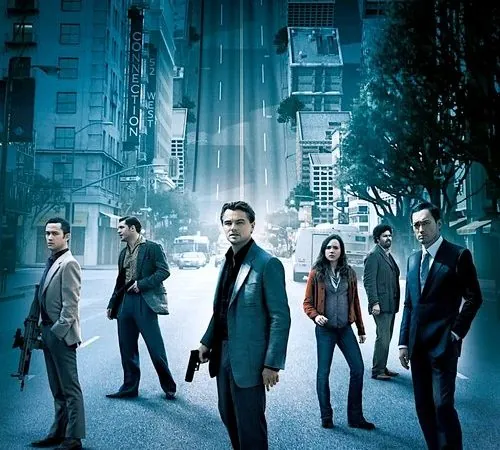
The 1990s marked a pivotal era for psychological thrillers, where films were driven by character development and mental tension rather than pure action. These narratives often blurred the lines between reality and illusion, featuring protagonists grappling with their own minds in a world of moral ambiguity and dark secrets. The decade produced iconic films that remain influential today, showcasing the creative prowess of directors and the power of storytelling.
Classic Films and Cult Favorites
The 1990s were rich with psychological thrillers that have since become classics, contributing to the evolution of various subgenres within the thriller category. The award-winning Fight Club (1999), directed by David Fincher, explored themes of identity and consumerism through the lens of an underground fight club. The director’s unique vision, combined with its dynamic soundtrack, contributed to its cult status, which grew over time despite initial mixed reviews. Another notable entry in the thriller subgenres is The Bone Collector.
Iconic Directors and Cinematic Techniques
Directors like David Lynch and John Madden were instrumental in shaping the psychological thriller landscape of the 1990s. Lynch’s Lost Highway (1997) delved into surreal psyche horrors, using visual and auditory elements to evoke a sense of unease. Madden emphasized character-driven narratives, prioritizing moral conflict and psychological tension. These directors utilized cinematic techniques such as unreliable narrators and intricate plot structures to keep audiences on edge.
A hallmark of 1990s psychological thrillers was the use of plot twists that challenged viewers’ perceptions. The Sixth Sense (1999) is renowned for its twist ending, which recontextualized the entire narrative and left audiences in awe. Such twists played with the audience’s expectations, creating a suspenseful atmosphere that kept them engaged. The psychological tension in these films often stemmed from the characters’ internal struggles, as seen in Se7en (1995), where the detectives face moral dilemmas and a chilling adversary.
Character Analysis and Mind Games
Characters in 1990s psychological thrillers were complex and multifaceted, often grappling with their own dark impulses. This era saw the rise of the anti-hero, a protagonist whose moral ambiguity mirrored the film’s themes. Fight Club’s Tyler Durden is a prime example, embodying both charisma and chaos. The thrillers also engaged in mind games, manipulating characters’ perceptions and, by extension, the audience’s understanding of the plot. The psychological depth and the intense performances by actors added layers to the narratives.
Suspense Elements and Film Noir Influences
Suspense was a crucial element in 1990s thrillers, often achieved through a combination of visual storytelling and atmospheric soundtracks. The genre drew inspiration from film noir, with its dark, moody aesthetics and morally complex characters. This influence is evident in the shadowy cinematography and tense soundscapes that characterized many films of the era. The use of suspenseful pacing and deliberate tension-building techniques kept audiences on the edge of their seats.
Examples of Iconic Psychological Thrillers
The Sixth Sense (1999) and Se7en (1995) are quintessential examples of 1990s psychological thrillers. The Sixth Sense, directed by M. Night Shyamalan, captivated audiences with its supernatural elements and psychological depth, culminating in a twist ending that redefined the genre. Meanwhile, Se7en, directed by David Fincher, presented a dark, gritty narrative where detectives unravel a series of murders based on the seven deadly sins. Both films exemplify the era’s focus on psychological tension and complex characters.
FAQ Section
What defines a psychological thriller? A psychological thriller emphasizes characters’ unstable mental states, distorted perceptions of reality, and moral conflicts, deriving suspense from psychological tension rather than physical action.
Why were the 1990s significant for psychological thrillers? The 1990s were a golden age for the genre, producing iconic films that blended mystery, drama, and horror, with a focus on character psychology and narrative complexity.
What are common themes in 1990s psychological thrillers? Common themes include identity, moral ambiguity, obsession, and the blurred lines between reality and illusion.
How did directors contribute to the genre’s success? Directors like David Fincher and David Lynch used innovative cinematic techniques and character-driven narratives to create suspenseful and thought-provoking films.
What impact did these films have on audiences? These films often left audiences questioning their own perceptions and ethics, creating a lasting impact through their psychological depth and narrative twists.
Final Thoughts
The psychological thrillers of the 1990s remain a testament to the power of storytelling and the enduring appeal of complex characters and suspenseful narratives. This era produced films that continue to captivate audiences with their intricate plots and psychological tension. As the genre evolved, it left a lasting legacy, influencing filmmakers and audiences alike. The 1990s demonstrated that the most compelling thrillers are those that delve into the human psyche, exploring the darkest corners of the mind and the moral dilemmas that define us.
Related Articles
- Best Thrillers of the 2000s: Explore the evolution of the thriller genre into the new millennium.
- Top Directors of Psychological Thrillers: A look at the filmmakers who have shaped the psychological thriller landscape.
- Analysis of Iconic Movie Endings: An in-depth examination of some of cinema’s most memorable conclusions.
- History of Film Noir: Discover the origins and influence of film noir on modern cinema.
- Influential Movies of the 1990s: A retrospective on the films that defined a decade.
- Character Development in Thrillers: Insights into how complex characters drive suspenseful narratives.