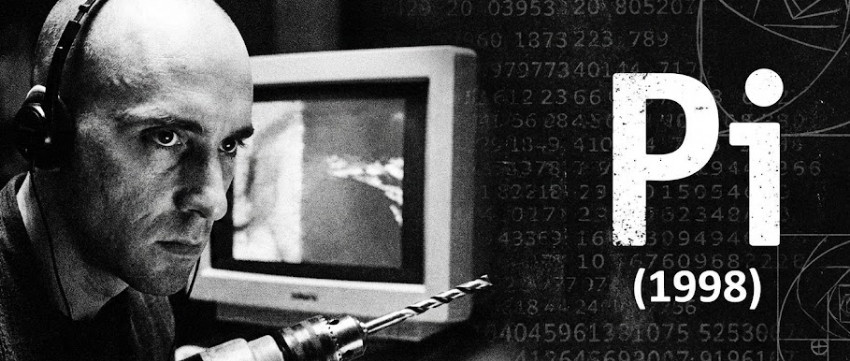
The enigmatic and often overwhelming world of numbers has long fascinated humanity, with the belief that understanding these numbers can unlock the mysteries of the universe. However, this obsession can also lead to madness, as demonstrated in the 1998 film Pi. This psychological thriller, directed by Darren Aronofsky, explores the thin line between genius and insanity through the eyes of a reclusive mathematician. As we delve into the film’s intricate layers, we will uncover how it masterfully blends mathematics, mysticism, and mental deterioration.
Quick Fix Summary Table
| Aspect | Description |
|---|---|
| Title | Pi (π) |
| Director | Darren Aronofsky |
| Main Actor | Sean Gullette |
| Genre | Psychological thriller, sci-fi, noir |
| Core Theme | The intersection of mathematics, obsession, and madness |
Film Overview
Pi (stylized as π) is a 1998 American psychological thriller that marks the directorial debut of Darren Aronofsky. The film is a low-budget independent production, made with approximately $60,000. Despite its modest production costs, it has gained critical acclaim and established a strong cult following. The movie is set in Manhattan and follows the journey of Maximillian Cohen, a paranoid mathematician played by Sean Gullette. The film’s narrative is deeply rooted in themes of madness, genius, numerology, and obsession, making it a standout in the genre of psychological thrillers.
Plot Summary
The film’s protagonist, Max Cohen, is a brilliant yet reclusive mathematician who is convinced that mathematics is the language of the universe. He believes that nature can be expressed through numbers and that there are hidden patterns in everything around us. This belief is akin to conceptual art, where ideas and concepts take precedence over traditional aesthetic and material concerns. Max constructs a powerful homemade supercomputer named Euclid to find a pattern that could potentially allow him to predict the stock market and decode the universal order.
As Max delves deeper into his research, Euclid crashes but prints a mysterious 216-digit number. This number becomes the focal point of the film, attracting the attention of a Wall Street firm and a Hasidic/Kabbalistic group. The former wishes to exploit it for financial gain, while the latter believes it to be the numerical key to the true name of God and a messianic age. As Max’s headaches, hallucinations, and paranoia intensify, the film blurs the line between scientific inquiry, mysticism, and mental breakdown, culminating in a dramatic climax.
Character Analysis
Maximillian Cohen
Maximillian Cohen, portrayed by Sean Gullette, is the central character of Pi. He is a mathematical genius, yet his brilliance is overshadowed by his extreme paranoia and obsessive tendencies. Max’s belief that numbers hold the key to understanding the universe drives him to the brink of insanity. His character is a representation of the fine line between genius and madness, highlighting how an obsession with finding patterns and meaning can lead to self-destruction.
Sol Robeson
Sol Robeson, played by Mark Margolis, is Max’s mentor and former professor. Sol serves as a voice of reason in Max’s life, warning him about the dangers of becoming too consumed by his work. Despite his own past obsession with similar mathematical theories, Sol has learned to accept the limitations of human understanding. His character provides a counterbalance to Max’s descent into madness.
Lenny Meyer
Lenny Meyer, portrayed by Ben Shenkman, is a Hasidic Jew who introduces Max to the Kabbalistic interpretation of numbers. Lenny believes that the 216-digit number is the key to unlocking the true name of God. His character represents the intersection of science and mysticism, highlighting the diverse interpretations and implications of mathematical discoveries.
Marcy Dawson
Marcy Dawson, played by Pamela Hart, is a representative of the Wall Street firm interested in exploiting Max’s discovery for financial gain. Her character embodies the corporate greed and opportunism that often accompany groundbreaking discoveries, emphasizing the ethical dilemmas faced by those who possess powerful knowledge.
Director’s Vision
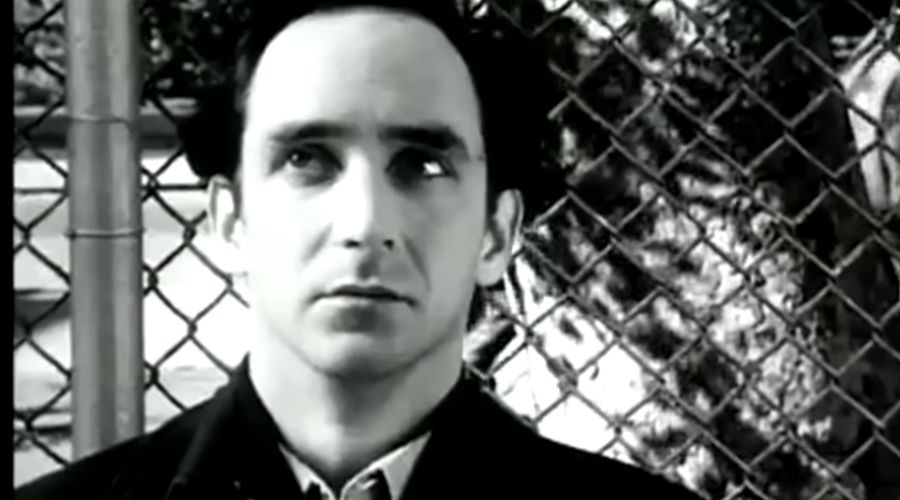
Darren Aronofsky‘s vision for Pi was to create a film that explores the complexities of the human mind and the obsession with finding order in chaos. Aronofsky’s unique storytelling approach is evident in the film’s non-linear narrative and its exploration of abstract concepts. He masterfully combines elements of psychological thriller and sci-fi, creating a film that is both intellectually stimulating and emotionally engaging.
Aronofsky’s interest in the themes of madness and obsession is a recurring motif in his body of work. Pi serves as a precursor to his later films, such as “Requiem for a Dream” and “Black Swan,” which also delve into the darker aspects of the human psyche. Through Pi, Aronofsky establishes himself as a visionary director capable of crafting thought-provoking and visually striking films.

Cinematography Style
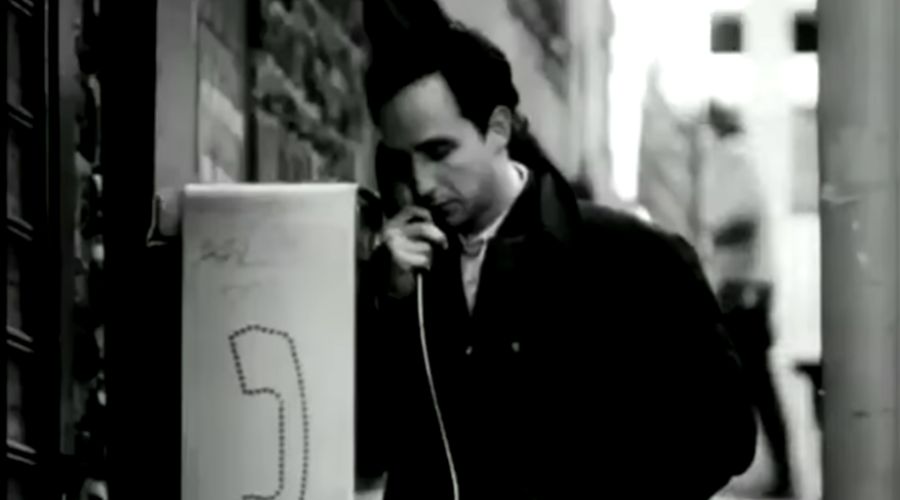
The cinematography of Pi is a defining aspect of the film’s distinctive style. Shot in high-contrast, grainy black-and-white, the film’s visual aesthetic reflects the stark and chaotic nature of Max’s world. The use of black-and-white not only enhances the film’s noir elements but also serves to emphasize the themes of duality and contrast present in the narrative.
The film’s hyperkinetic editing and claustrophobic framing further contribute to the sense of tension and unease. The rapid cuts and close-up shots mirror Max’s frenzied mental state, drawing the audience into his increasingly unstable mind. The cinematography is a crucial component of the film’s ability to convey the psychological turmoil experienced by the protagonist.
Soundtrack Details
The soundtrack of Pi plays a significant role in establishing the film’s atmosphere and intensity. Composed by Clint Mansell, the music is an integral part of the film’s identity. Mansell’s score is characterized by its electronic and industrial sound, which complements the film’s themes of technology and obsession. The pulsating rhythms and haunting melodies heighten the tension and underscore the psychological thriller elements of the narrative.
The collaboration between Darren Aronofsky and Clint Mansell in Pi marked the beginning of a long-standing partnership, with Mansell composing scores for several of Aronofsky’s subsequent films. The soundtrack of Pi is a testament to the power of music in enhancing the emotional impact of a film.
Upon its release, Pi received widespread critical acclaim for its originality and intelligence. Critics praised Darren Aronofsky for his bold and innovative approach to filmmaking, likening his style to conceptual art, where the exploration of ideas takes center stage. The film’s exploration of complex themes such as mathematics, obsession, and mental deterioration resonated with audiences and critics alike.
Upon its release, Pi received widespread critical acclaim for its originality and intelligence. Critics praised Darren Aronofsky for his bold and innovative approach to filmmaking, as well as his ability to craft a compelling narrative on a limited budget. The film’s exploration of complex themes such as mathematics, obsession, and mental deterioration resonated with audiences and critics alike.
Pi was recognized as a landmark in independent filmmaking, showcasing the potential of low-budget productions to deliver impactful and thought-provoking cinema. The film’s success at the box office further solidified its status as a cult classic, and it continues to be celebrated for its unique blend of genres and its exploration of the human psyche.
Comparison: Pi vs Other Thrillers
| Aspect | Pi (1998) | Other Thrillers |
|---|---|---|
| Director | Darren Aronofsky | Various |
| Visual Style | High-contrast, grainy black-and-white | Color, varied styles |
| Themes | Mathematics, obsession, madness | Crime, suspense, psychological elements |
| Budget | Low-budget ($60,000) | Varies, often higher budgets |
| Soundtrack | Electronic, industrial (Clint Mansell) | Varied, often orchestral |
In conclusion, Pi stands out in the realm of psychological thrillers due to its unique approach to storytelling and its exploration of the intersection between mathematics and madness. Through the lens of Darren Aronofsky‘s visionary direction, the film challenges audiences to ponder the nature of obsession and the pursuit of knowledge. As we continue to explore the film’s impact and legacy, we will uncover how it has influenced both the thriller genre and the broader landscape of independent cinema.
Box Office Performance
“Pi” (1998) emerged as a unique entry in the independent film scene, particularly due to its low-budget origins and subsequent box office success. The film’s budget was a modest $60,000, a figure that underscores the financial constraints under which it was produced. Despite this, “Pi” managed to gross over $3 million worldwide, a remarkable achievement for a film of its scale. This success can be attributed to several factors, including its innovative visual style, compelling narrative, and the buzz generated by its film debut at the Sundance Film Festival, where it won the Directing Award.
The film’s box office performance is a testament to the power of word-of-mouth and the growing appetite for cerebral, thought-provoking cinema in the late 1990s. The release strategy played a crucial role, with a limited opening in key cities that gradually expanded as the film gained traction. This approach allowed “Pi” to build a dedicated audience base, drawn to its exploration of complex themes and its distinctive artistic vision.
Thematic Elements
“Pi” delves into a myriad of themes that resonate on both intellectual and emotional levels. At its core, the film explores the intersection of mathematics and mysticism, questioning the nature of reality and the human quest for understanding. The protagonist, Max Cohen, is driven by an obsession to find patterns in the chaos of the universe, embodying the film’s central theme of the search for meaning in a seemingly random world.
The thematic depth of “Pi” is further enriched by its exploration of madness and isolation. Max’s journey is as much about his internal struggles as it is about his mathematical pursuits. His descent into paranoia and obsession reflects broader questions about the limits of human knowledge and the cost of intellectual ambition. The film also touches on themes of control and power, as various groups seek to exploit Max’s discoveries for their own ends, highlighting the ethical dilemmas inherent in the pursuit of knowledge.
Mathematical Concepts
Mathematics is not just a backdrop in “Pi”; it is integral to the film’s narrative and thematic exploration. The film introduces audiences to complex mathematical concepts, such as the Fibonacci sequence and the golden ratio, using them as metaphors for the search for order in chaos. Max’s belief that everything in the universe can be understood through numbers is a reflection of the Pythagorean idea that mathematics is the language of the cosmos.
The film also delves into the concept of irrational numbers, particularly pi itself, as a symbol of the infinite and the unknowable. This ties into the film’s exploration of the limits of human understanding and the idea that some truths may be beyond our comprehension. By weaving these mathematical concepts into its narrative, “Pi” challenges viewers to consider the role of mathematics in shaping our perception of reality.
Psychological Themes
The psychological themes in “Pi” are as compelling as its mathematical ones, providing a window into the mind of a man on the brink of madness. Max’s obsession with finding patterns leads him down a path of paranoia and isolation, raising questions about the psychological toll of intellectual pursuit. The film portrays his mental deterioration with a raw intensity, using its visual style to convey his fractured state of mind.
Max’s journey is marked by hallucinations and delusions, blurring the line between reality and imagination. This psychological unraveling is mirrored in the film’s visual style, which employs stark black-and-white cinematography and disorienting camera angles to create a sense of unease. The soundtrack further amplifies this effect, with its pulsating rhythms and unsettling tones reflecting Max’s inner turmoil.
The film also explores themes of control and powerlessness, as Max grapples with forces beyond his understanding. His interactions with other characters, such as his mentor Sol and the mysterious Lenny Meyer, highlight the tension between knowledge and ignorance, and the fear of losing control over one’s mind and destiny.
Production Details
The production of “Pi” is a testament to the ingenuity and resourcefulness of its creators. Shot on a shoestring budget of $60,000, the film’s success is a remarkable achievement in independent cinema. Director Darren Aronofsky’s artistic vision is evident in every frame, from the stark black-and-white cinematography to the innovative use of sound and music.
The film was shot on location in New York City, with a small crew and minimal equipment. This guerrilla filmmaking approach allowed for a level of spontaneity and creativity that is reflected in the film’s visual style. The decision to shoot in black and white was both an artistic choice and a practical one, as it helped to mask the limitations of the film’s budget and create a distinctive aesthetic.
The post-production process was equally innovative, with Aronofsky and his team using digital editing techniques to achieve the film’s unique look and feel. The soundtrack, composed by Clint Mansell, was integral to the film’s atmosphere, with its electronic beats and haunting melodies complementing the film’s themes and narrative.
Cast Information
The cast of “Pi” is led by Sean Gullette, whose portrayal of Max Cohen is central to the film’s impact. Gullette, who co-wrote the screenplay with Aronofsky, delivers a compelling performance that captures the intensity and vulnerability of his character. His portrayal of Max’s descent into obsession and madness is both nuanced and powerful, anchoring the film’s exploration of psychological themes.
Supporting roles are filled by a talented ensemble, including Mark Margolis as Sol Robeson, Max’s mentor and friend. Margolis brings a gravitas to the role, providing a counterbalance to Max’s frenetic energy. Ben Shenkman plays Lenny Meyer, a mysterious figure whose interest in Max’s work adds an element of intrigue and tension to the narrative.
The cast’s performances are integral to the film’s success, bringing depth and authenticity to the complex characters and themes. Their chemistry and commitment to Aronofsky’s artistic vision are evident throughout the film, contributing to its thematic depth and emotional resonance.
Release Date
“Pi” was first released on July 10, 1998, in the United States. Its release followed a successful premiere at the Sundance Film Festival, where it garnered critical acclaim and won the Directing Award for Aronofsky. The film’s release strategy was carefully planned, with a limited opening in select cities that allowed it to build momentum through word-of-mouth and critical praise.
The timing of the release was significant, as it coincided with a growing interest in independent cinema and films that challenged conventional storytelling. “Pi” tapped into this zeitgeist, offering a fresh and provocative take on familiar themes. Its success at the box office and its enduring impact on audiences and filmmakers alike are a testament to its innovative approach and the strength of its narrative.
The film’s release also marked a significant moment in the careers of those involved, particularly Darren Aronofsky, for whom “Pi” served as a film debut that showcased his talent and potential as a filmmaker. The film’s success paved the way for Aronofsky’s subsequent projects, establishing him as a distinctive voice in contemporary cinema.
Comparison: Box Office Success vs Budget
The financial performance of “Pi” is a compelling case study in the potential for independent films to achieve commercial success despite limited resources. The film’s budget of $60,000 is a fraction of what is typically spent on mainstream productions, yet it managed to gross over $3 million worldwide. This impressive return on investment highlights the effectiveness of its release strategy and the appeal of its narrative and visual style.
While many films with similar budgets struggle to find an audience, “Pi” benefited from a combination of factors, including its innovative approach, critical acclaim, and the growing appetite for intellectually challenging cinema. Its success is a testament to the power of creativity and ingenuity in filmmaking, demonstrating that a strong narrative and distinctive visual style can resonate with audiences regardless of financial constraints.
The film’s box office performance also underscores the importance of strategic release planning and the role of film festivals in generating buzz and attracting attention. By leveraging its success at Sundance and adopting a gradual release strategy, “Pi” was able to reach a wider audience and achieve commercial success beyond its initial expectations.
Budget and Earnings
“Pi” (1998) is a remarkable example of a low-budget film achieving significant success. With a modest budget of $60,000, director Darren Aronofsky and his team managed to create a visually and thematically compelling piece that resonated with audiences and critics alike. The film’s financial performance was impressive, grossing over $3 million worldwide. This achievement is a testament to the film’s unique appeal and the effective use of limited resources. The production team employed innovative techniques to maximize the impact of their budget, demonstrating that a compelling story and creative execution can overcome financial constraints.
Awards and Nominations
“Pi” garnered critical acclaim, earning several awards and nominations that highlighted its artistic and technical achievements. The film won the Directing Award at the 1998 Sundance Film Festival, a significant accolade that underscored Darren Aronofsky’s visionary approach. The film’s unique style and thematic depth also earned it nominations at various international film festivals, further solidifying its status as a groundbreaking work in independent cinema. These accolades not only recognized the film’s artistic merit but also contributed to its enduring legacy in the film industry.
Cultural Impact
The cultural impact of Pi extends beyond its initial release, influencing both filmmakers and audiences. Its exploration of complex themes such as obsession, mathematics, and the search for meaning resonated with viewers, sparking discussions and analyses that continue to this day. Much like conceptual art, the film’s distinctive visual style and narrative approach have inspired a generation of filmmakers, encouraging them to explore unconventional storytelling methods.
Film Style and Visual Effects
“Pi” is renowned for its distinctive film style, characterized by high-contrast black-and-white cinematography and rapid editing techniques. These stylistic choices contribute to the film’s intense and disorienting atmosphere, mirroring the protagonist’s psychological turmoil. The use of visual effects, such as the recurring spiral motif and the depiction of mathematical patterns, enhances the film’s thematic exploration of chaos and order. The film’s visual style is both a reflection of its narrative content and a testament to the creativity of its production team, who successfully used limited resources to create a visually striking and thematically rich experience.
Audience Reactions
Audience reactions to “Pi” have been varied, with many viewers praising its originality and intellectual depth. The film’s complex plot and abstract themes have sparked diverse interpretations, leading to lively discussions and debates among fans and critics. Some viewers have been captivated by the film’s exploration of mathematical concepts and its portrayal of the protagonist’s descent into obsession. Others have been drawn to its unique visual style and the intense performance of the lead actor. Despite its challenging content, “Pi” has maintained a dedicated following, with audiences continuing to engage with its themes and analyze its narrative intricacies.
Frequently Asked Questions
Is Pi 1998 worth watching?
“Pi” (1998) is considered a must-watch for fans of psychological thrillers and independent cinema. Its innovative style, complex themes, and compelling narrative make it a standout film that continues to captivate audiences. The film’s exploration of mathematics and obsession, combined with its unique visual approach, offers a thought-provoking experience that is both intellectually stimulating and emotionally engaging.
What was Pi in 1998?
“Pi” in 1998 refers to Darren Aronofsky’s debut feature film, which explores the story of a brilliant mathematician who becomes obsessed with finding patterns in the stock market. The film delves into themes of obsession, chaos, and the search for meaning, using a distinctive visual style to convey the protagonist’s psychological descent. It was a critical success and marked Aronofsky’s emergence as a significant voice in independent filmmaking.
What is the point of the Pi movie?
The point of the “Pi” movie is to explore the intersection of mathematics, obsession, and the search for meaning in a chaotic world. Through its protagonist’s journey, the film examines the consequences of pursuing absolute knowledge and the fine line between genius and madness. It challenges viewers to consider the limits of human understanding and the potential dangers of unchecked obsession.
Is the movie Life of Pi a real story?
“Life of Pi” is not a real story but is based on the novel of the same name by Yann Martel. The film adaptation, directed by Ang Lee, tells the fictional tale of a young boy named Pi who survives a shipwreck and shares a lifeboat with a Bengal tiger. While the story is fictional, it explores themes of survival, faith, and the nature of storytelling, offering a rich and imaginative narrative experience.
Key Takeaways
“Pi” (1998) remains a seminal work in independent cinema, celebrated for its innovative approach to storytelling and its exploration of complex themes. The film’s success, both critically and financially, underscores the power of creativity and vision in overcoming budgetary constraints. Its cultural impact continues to be felt, inspiring filmmakers and audiences alike to engage with its thought-provoking narrative and distinctive style. As a testament to the enduring appeal of independent film, “Pi” stands as a remarkable achievement that challenges and captivates viewers with its exploration of mathematics, obsession, and the search for meaning.
Related Articles
- Darren Aronofsky’s Filmography: Explore the diverse and thought-provoking works of Darren Aronofsky, a director known for his unique storytelling and visual style.
- Psychological Thrillers of the 1990s: Delve into the world of 1990s psychological thrillers, a decade that produced some of the most intense and mind-bending films in the genre.
- Exploring Mathematical Concepts in Film: Discover how filmmakers have incorporated mathematical ideas into their narratives, creating compelling stories that challenge and intrigue audiences.
- Impact of Low-Budget Films: Examine the influence of low-budget films on the industry, highlighting how creativity and innovation can lead to significant success.
- Cinematic Techniques in Black-and-White Films: Learn about the artistic choices and techniques used in black-and-white films, and how they contribute to storytelling and visual impact.
- Soundtracks that Define a Film: Explore the role of music in film, focusing on soundtracks that have become iconic and integral to the cinematic experience.
