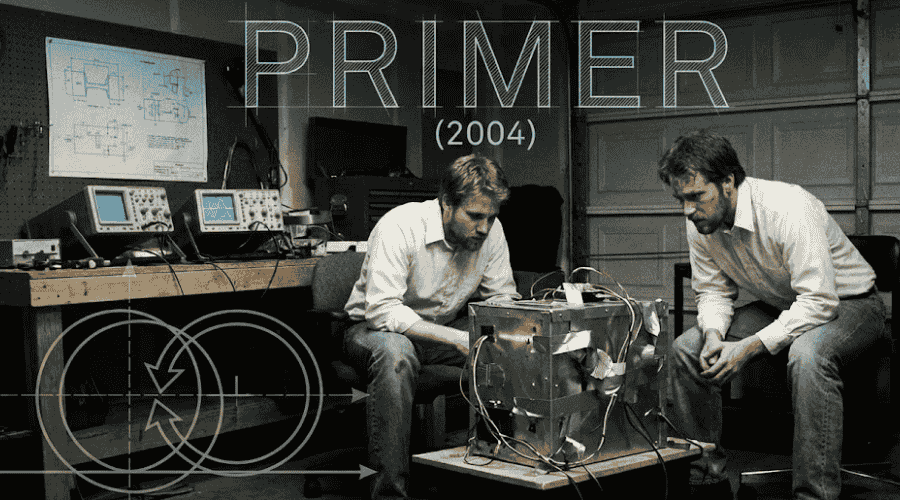
“Primer” (2004) stands as a unique landmark in the realm of science fiction cinema, particularly because of its ultra-low budget and its complex narrative structure. Created by Shane Carruth, this film offers a dense exploration of time travel, ethics, and the human psyche, all while maintaining a gritty, realistic feel. Its intricate plot and technical dialogue have captivated a dedicated cult following, making it a topic of fascination and debate among film enthusiasts and scholars alike.
Quick Fix Table
| Aspect | Quick Fix |
|---|---|
| Understanding Time Travel | Focus on the causal loop concept and visualize timelines. |
| Indie Filmmaking Insight | Appreciate the creativity and resourcefulness required for low-budget films. |
| Narrative Complexity | Pay attention to dialogue and subtle visual cues for better comprehension. |
| Scientific Accuracy | Understand that the film prioritizes realism in its scientific approach. |
Time Travel
Time travel in “Primer” is not just a plot device but a core element that influences the entire narrative structure. The film introduces a causal loop box that allows characters to travel back several hours in time. This concept is explored with a level of scientific accuracy that is rare in cinema, eschewing sensationalism for a more grounded approach. The time travel mechanism in “Primer” is complex, involving multiple overlapping timelines and versions of the same characters, which challenges viewers to engage deeply with the film’s logic.
Indie Filmmaking
“Primer” exemplifies the potential of indie filmmaking, particularly with its minuscule budget of $7,000. Shane Carruth’s dual role as director and actor highlights the resourcefulness required in independent cinema. The film was shot on Super 16 mm film, contributing to its distinct visual style, characterized by flat, over-exposed imagery. Despite financial constraints, “Primer” achieved significant acclaim, winning the 2004 Sundance Grand Jury Prize and the Alfred P. Sloan Prize, proving that creativity and innovation can triumph over budgetary limitations.
Watch the Primer 2004 Trailer
Narrative Complexity
The narrative complexity of “Primer” is both its strongest asset and its most significant challenge. The film’s non-linear structure and dense, technical dialogue demand active engagement from the audience. Viewers often find themselves piecing together the story’s fragmented timeline, which lacks explicit exposition. This complexity has led to a plethora of charts and explainer videos created by fans attempting to decode the film’s intricate plot. The film’s refusal to simplify its narrative or technical jargon sets it apart from more conventional time travel narratives.
Low-Budget Film
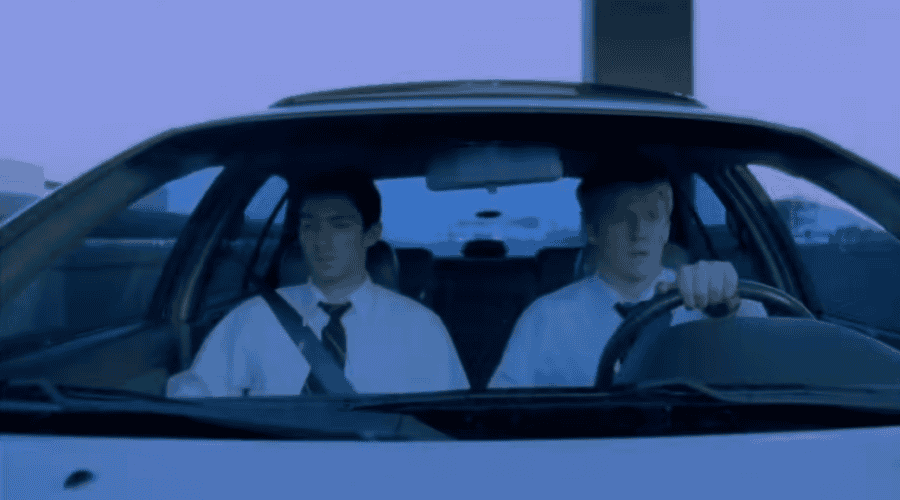
The impact of “Primer’s” $7,000 budget is evident in its minimalist approach to storytelling and production. The film’s low shooting ratio of about 2:1 indicates that very few takes were made per shot, a necessity due to the cost of film stock. Despite these constraints, the film’s success at festivals and its lasting legacy in the sci-fi genre demonstrate that a compelling story and innovative execution can overcome financial hurdles.
Scientific Accuracy
“Primer” distinguishes itself with its commitment to scientific accuracy, particularly in its portrayal of time travel. The film’s dialogue is laden with engineering jargon and mathematical reasoning, reflecting a realistic approach to its speculative premise. This dedication to realism enhances the film’s intellectual appeal but also contributes to its reputation as a challenging watch. The scientific rigor embedded in the script invites viewers to consider the ethical and philosophical implications of time travel.

Plot Analysis
At its core, “Primer” is a story about two engineers, Abe and Aaron, who inadvertently invent a time travel device. Initially, they exploit this discovery for financial gain, such as manipulating the stock market. However, as they delve deeper into the possibilities of their invention, the narrative spirals into a complex web of moral and existential dilemmas. The film explores themes of identity, causality, and the erosion of friendship, as the characters grapple with the consequences of their actions.
Character Motivations
The motivations of Abe and Aaron evolve throughout the film, driven by curiosity, ambition, and ultimately, paranoia. Initially united by their shared discovery, their relationship deteriorates as the implications of time travel become apparent. The characters’ differing approaches to the ethical dilemmas they face highlight their individual personalities and moral compasses. This character-driven narrative adds depth to the film, making it more than just a sci-fi puzzle.
Film Ending
The ending of “Primer” leaves many questions unanswered, maintaining the film’s enigmatic aura. As timelines overlap and the characters’ identities blur, the conclusion remains open to interpretation. This ambiguity has fueled endless discussions and theories among fans, contributing to the film’s cult status. The unresolved nature of the ending aligns with the film’s overall theme of the unpredictable and uncontrollable nature of time travel.
Director’s Intent
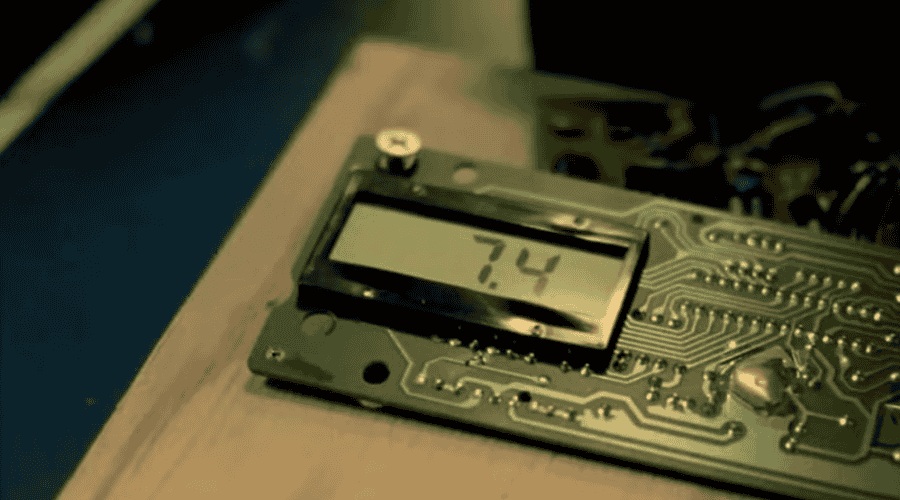
Shane Carruth’s intent with “Primer” was to create a film that challenges conventional storytelling and engages the audience intellectually. By prioritizing scientific realism and narrative complexity, Carruth aimed to push the boundaries of the sci-fi genre. His multifaceted role in the film’s production—from writing and directing to acting and scoring—reflects his vision of a cohesive and thought-provoking cinematic experience.
Audience Interpretation
Audience interpretation of “Primer” varies widely, with some viewers embracing its complexity and others finding it impenetrable. The film’s dense narrative and technical dialogue require active participation, leading to diverse interpretations and analyses. This variability in audience reception has contributed to the film’s enduring appeal and its status as a cult classic.
Comparison Table
| Aspect | Primer | Other Time Travel Films |
|---|---|---|
| Budget | Ultra-low ($7,000) | Varies, often significantly higher |
| Narrative Complexity | Extremely complex, non-linear | Typically more linear and accessible |
| Scientific Accuracy | High, with realistic technical dialogue | Varies, often more speculative |
| Cult Following | Strong | Varies |
| Aspect | Low Budget Films | High Budget Films |
|---|---|---|
| Production Constraints | Significant, often leading to creativity | Fewer, with more resources available |
| Visual Style | Often minimalist, innovative | Typically polished, high production value |
| Audience Appeal | Niche, often cult status | Broad, mainstream appeal |
FAQ
Can someone explain the movie Primer? “Primer” is about two engineers who accidentally invent a time travel device. The film explores the ethical and personal consequences of their discovery, featuring a complex narrative with overlapping timelines and dense dialogue.
Is Primer (2004) hard to understand? Yes, “Primer” is known for its narrative complexity and technical dialogue, which can be challenging for viewers. Many resort to charts and explainer videos to fully grasp the plot.
Is Primer a horror? While not a traditional horror film, “Primer” contains elements of psychological horror as the characters face ethical dilemmas and identity crises due to their time travel experiments.
Is Primer a low-budget movie? Absolutely, “Primer” was made on an ultra-low budget of $7,000, showcasing the potential of indie filmmaking to create impactful cinema.
Final Thoughts
“Primer” is a testament to the power of independent filmmaking and the allure of complex storytelling. Its intricate narrative, scientific authenticity, and minimal budget have earned it a dedicated following and a place in cinematic history. Shane Carruth’s debut feature challenges audiences to engage deeply with its themes and mechanics, offering a rich, thought-provoking experience that continues to inspire and perplex viewers worldwide.
