
Introduction
“Timecrimes” (2007), directed by Nacho Vigalondo, is a Spanish science fiction thriller that delves into the complexities of time travel and its repercussions. This film, known for its intricate plot and compelling narrative, has garnered attention for its unique take on the time travel genre. In this article, we will explore various aspects of “Timecrimes,” from its plot and themes to its critical reception and production details.
| Aspect | Details |
|---|---|
| Release Date | 2007 |
| Director | Nacho Vigalondo |
| Genre | Science Fiction, Thriller |
| Main Cast | Karra Elejalde, Bárbara Goenaga |
| Cinematography | Flawless, atmospheric |
| Key Themes | Time travel, identity, destiny |
Plot Summary and Film Analysis
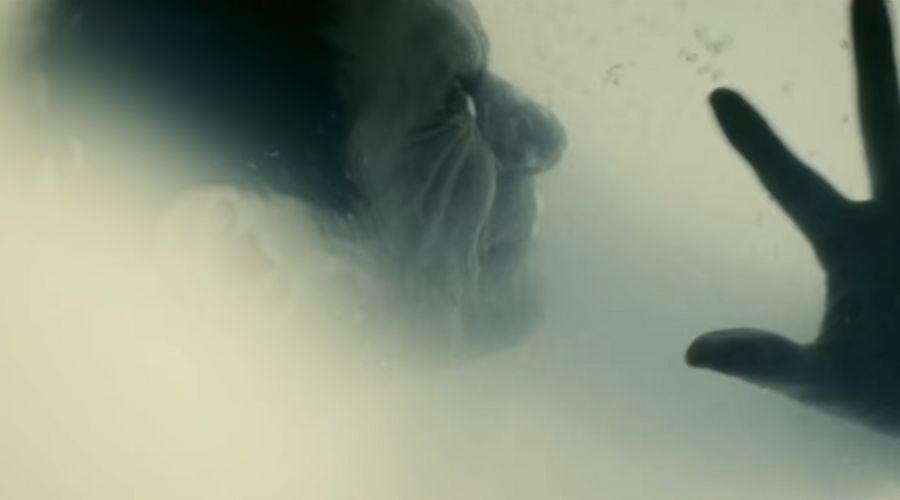
“Timecrimes” begins with Hector, an ordinary man, who inadvertently becomes entangled in a series of time loops. The plot unfolds as Hector, while exploring the woods near his home, witnesses a series of events that lead him to a mysterious laboratory. There, he is thrust into a time machine, sending him back in time by an hour. This sets off a chain reaction of events, where Hector must confront his past actions and their consequences.
The film’s narrative is tightly woven, with each element carefully crafted to build suspense and intrigue. The plot’s complexity is handled deftly, ensuring that viewers remain engaged as they follow Hector’s journey through time. The film’s exploration of time travel is both innovative and thought-provoking, challenging the audience to consider the implications of altering one’s past.
Time Travel and Character Breakdown
Time travel in “Timecrimes” is depicted as a double-edged sword, offering both the allure of correcting past mistakes and the peril of unintended consequences. Hector’s character is central to this exploration. As he navigates the loops, his character undergoes significant development, evolving from a passive observer to an active participant in his destiny. The film examines how time travel forces Hector to confront his darker impulses and the lengths he will go to protect his reality.
The supporting characters, such as the scientist who inadvertently facilitates Hector’s journey and Clara, Hector’s wife, add depth to the narrative. Each character serves a purpose in advancing the plot and highlighting the film’s central themes. The cast delivers strong performances, with Karra Elejalde’s portrayal of Hector being particularly noteworthy.
Director’s Vision and Cinematography
Nacho Vigalondo’s vision for “Timecrimes” is evident in every frame. As a director, Vigalondo is known for his ability to blend science fiction with psychological depth. His direction ensures that the film remains grounded despite its fantastical premise. The use of practical effects and a limited setting enhances the film’s tension and focus on character-driven storytelling.
The cinematography by Flavio Martínez Labiano is instrumental in creating the film’s atmospheric tone. The use of shadows, tight framing, and a muted color palette contributes to the sense of unease and suspense that permeates the film. The cinematography complements the narrative, drawing viewers into Hector’s world and the disorienting experience of time travel.
Soundtrack and Musical Impact
The soundtrack of “Timecrimes” plays a subtle yet crucial role in building the film’s eerie and suspenseful atmosphere. Composed by Eugenio Mira, the music complements the film’s tense narrative, enhancing the emotional pull of each scene.
Mira’s score is characterized by its minimalist approach, using simple motifs that reflect the film’s psychological depth. The music often underscores key moments, amplifying the tension as Hector navigates through the labyrinth of time loops.
The use of silence is also a prominent feature in the film’s sound design, strategically placed to heighten the suspense and bring the audience closer to Hector’s fraught mental state. This careful balance between sound and silence ensures that the audience remains engaged and on edge throughout the film.
Film Themes and Critical Reception
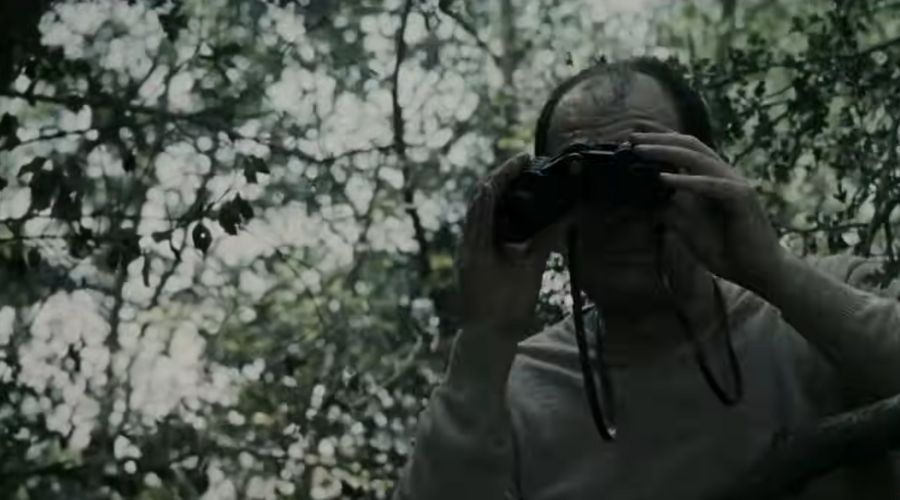
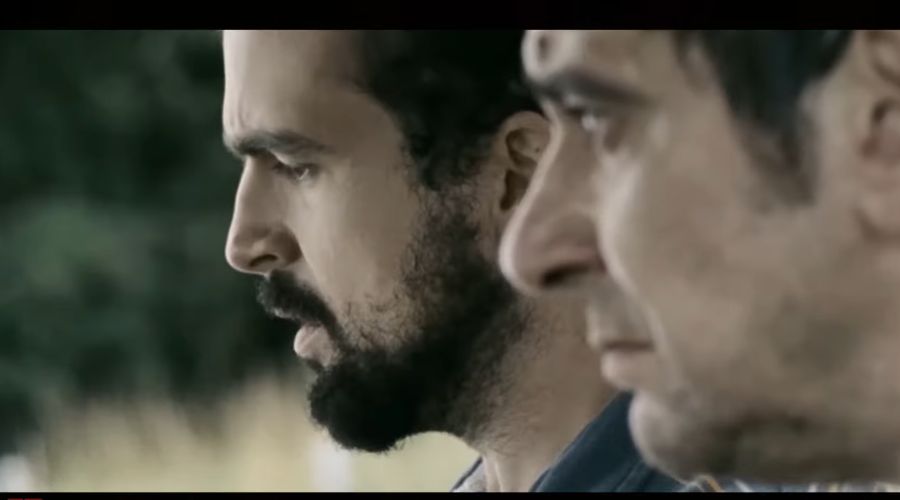
“Timecrimes” explores several themes, including the nature of identity, the inevitability of destiny, and the moral implications of time travel. The film’s themes are interwoven with its plot, prompting viewers to reflect on the ethical dilemmas faced by the characters. The use of symbolism, such as the recurring motif of binoculars, underscores the theme of observation and the blurred line between voyeurism and action.
The film’s reception was generally positive, with critics praising its originality and execution. ‘Timecrimes’ was lauded for its tight script and the director’s ability to maintain suspense throughout. The film’s unique approach to time travel set it apart from other entries in the genre, earning it a place in discussions about innovative science fiction cinema. Its influences can be seen in how it shaped conversations about the potential of time travel narratives, impacting subsequent films and sparking interest in the possibility of a sequel that could further explore its intriguing themes.
Box Office Performance
“Timecrimes” had a modest box office showing, reflective of its status as a Spanish independent film. Despite its limited release, the film managed to generate significant interest within the science fiction community, ultimately achieving a cult status over time.
The film’s financial success is underscored by its strong performance at various international film festivals, where it garnered attention, accolades, and awards, boosting its visibility. Although not a blockbuster, ‘Timecrimes’ exemplifies how a well-crafted narrative can resonate with audiences despite budget constraints.
An interesting note for filmmakers is the film’s effective use of minimal resources to create a compelling story, proving that box office success isn’t solely determined by large budgets. This approach not only enhanced its financial viability but also highlighted the importance of creativity in filmmaking.

Audience Reviews and Production Details
Audience reviews of ‘Timecrimes’ often highlight its engaging plot and the unexpected twists that keep viewers on the edge of their seats. Many appreciate the film’s ability to balance complex narrative elements with accessible storytelling. The film’s release in 2007 marked a significant moment in Spanish cinema, showcasing the potential for genre films to achieve international acclaim.
The production of “Timecrimes” was notable for its efficient use of resources. With a modest budget, the filmmakers focused on strong storytelling and character development rather than relying on special effects. This approach allowed the film to resonate with audiences and critics alike, proving that compelling narratives can transcend budgetary constraints.
Watch The Timecrimes (2007) Trailer
Comparison Table
| Aspect | Timecrimes | Other Time Travel Films |
|---|---|---|
| Time Travel Approach | Limited loops, personal impact | Varied (e.g., “Back to the Future” – comedic, “Looper” – action) |
| Director’s Style | Psychological, suspenseful | Varies (e.g., Spielberg – epic, Nolan – complex) |
| Cinematic Techniques | Atmospheric, character-focused | Diverse (e.g., CGI-heavy, narrative-driven |
FAQ
What is the main plot of “Timecrimes”? The film follows Hector, who becomes caught in a series of time loops after discovering a time machine, leading to a suspenseful exploration of time travel’s consequences.
How does “Timecrimes” handle the concept of time travel? The film presents time travel as a complex and potentially dangerous tool, emphasizing its impact on personal identity and moral choices.
Who are the main cast members of “Timecrimes”? The main cast includes Karra Elejalde as Hector and Bárbara Goenaga as Clara, with strong performances that drive the film’s narrative.
What are the key themes explored in “Timecrimes”? The film delves into themes of identity, destiny, and the ethical implications of time travel.
How was the critical reception of “Timecrimes”? The film received positive reviews for its originality and suspenseful execution, earning praise from both critics and audiences.
Final Thoughts
“Timecrimes” stands out as a remarkable entry in the time travel genre, offering a fresh perspective on familiar themes. Nacho Vigalondo’s direction, combined with a strong cast and atmospheric cinematography, creates a film that is both thought-provoking and entertaining. Its exploration of time travel’s moral and psychological dimensions ensures that it remains a compelling watch for fans of science fiction and thrillers alike.
Related Articles
- Top Time Travel Movies: Explore the best films that tackle time travel with creativity and depth.
- Director Nacho Vigalondo’s Filmography: Discover more works by the visionary director behind “Timecrimes.”
- Understanding Film Symbolism: Learn how symbolism enhances storytelling in cinema.
- Cinematic Techniques in Sci-Fi: A guide to the techniques that define the science fiction genre.
- Exploring Spanish Cinema: Delve into the rich history and diversity of Spanish films.
- Film Analysis Techniques: Master the art of analyzing films with critical insights and methods.