
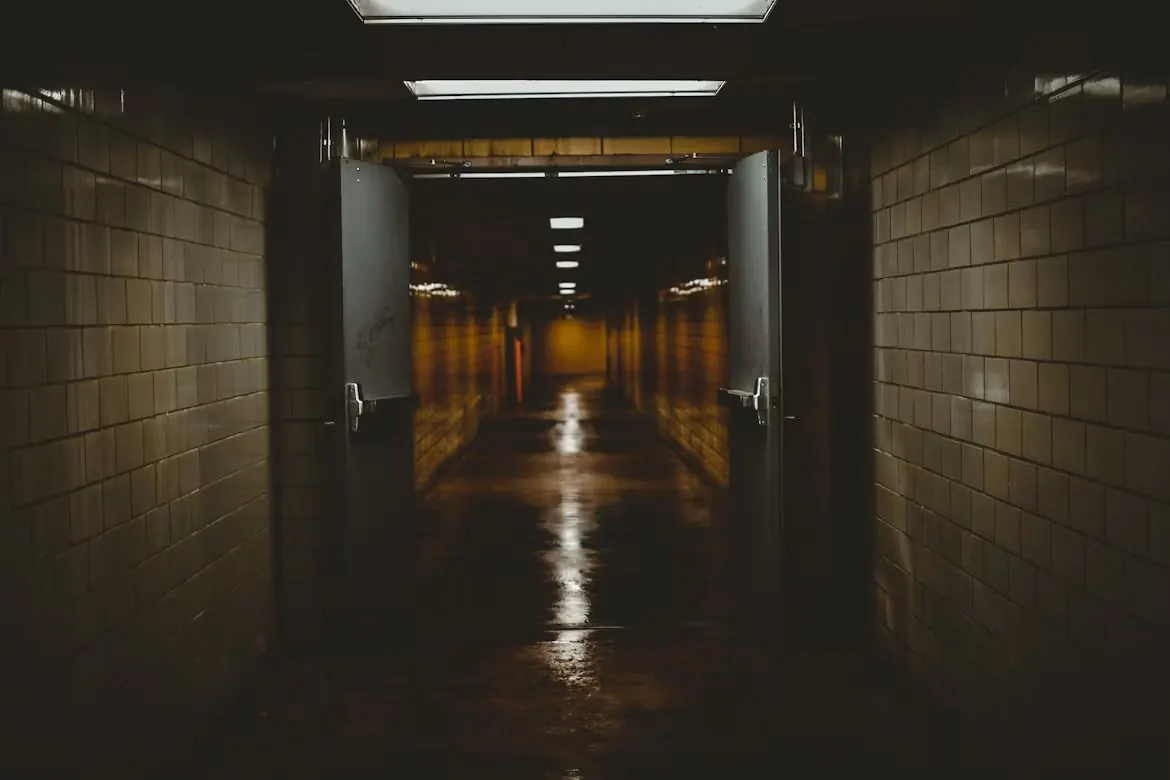
Horror fans usually pick a film by its subgenre, its reviews or the story described on the poster. The way a horror film sounds shapes the experience just as much, and it is rarely mentioned in a plot summary. Some films scare through sudden bursts of noise, while others work through near silence and small details that build unease over time. Two films with similar stories can therefore feel completely different to watch. This guide explains the main sound styles in horror and what each one offers, so viewers can choose a film that delivers the kind of fear they want.
Why sound decides how a horror film feels
Horror depends on anticipation, and audiences react to what they expect almost as strongly as to what they see. Sound is the main tool filmmakers use to control that expectation. A viewer can close their eyes during a frightening scene, but the soundtrack still reaches them. A creak, a breath or a sudden drop into silence tells the audience that something is about to happen, even when the picture shows nothing unusual. This is why a horror film is often remembered by a single sound rather than a single image.
The range of horror movie sounds has grown from simple screams and creaking doors to designed textures, whispers, breaths and tonal layers built to unsettle. Each subgenre leans on a different part of that range. Jump scare films need sharp, sudden sounds, while paranormal stories depend on quiet detail and creature films rely on organic noises that suggest something alive. Cosmic horror goes further with sounds that are hard to place at all. Once viewers recognize these patterns, they can usually tell within the first few scenes what kind of fear a film is building toward.
The jump scare and its sudden sounds
The jump scare is the best-known horror sound technique, and its history goes back to Cat People in 1942. In its most famous scene, a woman walks alone at night while being followed, with little more than footsteps on the soundtrack. The tension breaks with a loud hiss that the audience takes for an attacking panther, but it turns out to be the air brakes of a bus pulling up. The technique became known as the Lewton bus, after producer Val Lewton, and filmmakers still use the same pattern of quiet build-up followed by a burst of sound. Films that rely on this approach suit viewers who enjoy a physical jolt and like watching with other people.
Modern jump scares usually stack several sounds on top of each other at the moment of the scare. A sharp stinger gives the attack, a low hit adds weight, and the background sound often drops away completely just before. That moment of near silence is as important as the noise itself, because it tells the audience to brace without saying why. Viewers who dislike jump scares can learn to spot this drop and prepare for what follows. Fans of the style, on the other hand, tend to enjoy the game of guessing exactly when the sound will land.
Quiet unease in paranormal and psychological horror
Paranormal and psychological horror films usually take the opposite route to the jump scare. Instead of sudden noise, they build fear with whispers, breaths, faint knocks and a room tone that feels slightly wrong. These sounds are often kept so low that viewers lean in to hear them, which makes them feel uncomfortably close. Much of the fear comes from not being sure what was actually heard or where it came from. Slow-burn films in this style suit viewers who prefer lasting dread over short shocks and who like to watch alone.
Creature films sit between these two styles and depend on sounds that suggest a living body. Growls, clicks, breathing and the movement of something heavy often reach the audience well before the creature appears on screen. Sound designers commonly build these voices by layering and reshaping several recordings, so that no single source can be recognized. The result feels natural and unfamiliar at the same time, which is what makes it unsettling. These films usually suit viewers who want fear combined with chases and confrontation.
Cosmic horror and body horror push sound in two more specific directions. Cosmic horror uses tones and textures that do not match any familiar source, which suggests a threat too large or strange to understand. Body horror relies on close, wet Foley that makes physical damage feel real, often more vivid than the images themselves. These are the subgenres where sound does the most to make a viewer uncomfortable. Anyone who is squeamish about gore should pay particular attention to reviews that mention a film’s sound design.
Matching the sound to the night
Choosing a film with sound in mind starts with the setting and the company. A group night usually works best with a jump scare film, since shared reactions are part of the fun. A late night alone suits a slow paranormal or psychological film that rewards close listening. Thinking about horror movie sounds before pressing play helps avoid a film that delivers the wrong kind of fear for the evening. Sorting the options by sound style first narrows the choice much faster than comparing plots.
Trailers offer a quick way to judge a film’s sound style before committing to it. A trailer built around sudden bangs and loud hits usually signals a film that relies on jump scares. One that lingers on silence, breathing and faint noises tends to point to a slower, more atmospheric film. Watching the trailer with headphones for a minute often says more about the experience than the poster or the plot summary. It is a simple check that can save an evening spent on the wrong kind of fear.
A horror night in practice
Grace Whitfield’s Halloween plans show how this works for an ordinary viewer. She was choosing a film for an evening with five friends who wanted something lively. She picked a film known for its jump scares, because the sudden sounds would get the whole room reacting together. She saved a quiet paranormal film for the following weekend, when she planned to watch alone with headphones. Matching each film to its setting meant both nights delivered the kind of fear she expected.
Where horror sounds are made today
Many of the sounds heard in modern horror are designed by specialists and sold as libraries to filmmakers, game developers and trailer editors. Ocular Sounds' horror collection is one example of these libraries, which independent filmmakers can use to work with the same kinds of sounds described in this guide. Sound is often where a small production can compete with a much larger one. A well-chosen stinger or texture costs far less than a creature effect on screen, and it can be just as frightening.
Conclusion
The next time a horror night starts with a long scroll through the options, the question to ask is what kind of fear the evening needs. A loud, shared jolt, a slow creeping dread and a deeply uncomfortable night call for very different films, and the soundtrack is usually the clearest guide. Viewers curious about where the jump scare began can watch Cat People and compare it with a recent release. Anyone who prefers to plan by mood can pick the sound style first and the title second. Either way, listening closely during the first few minutes will reveal what kind of fear the film has in store.